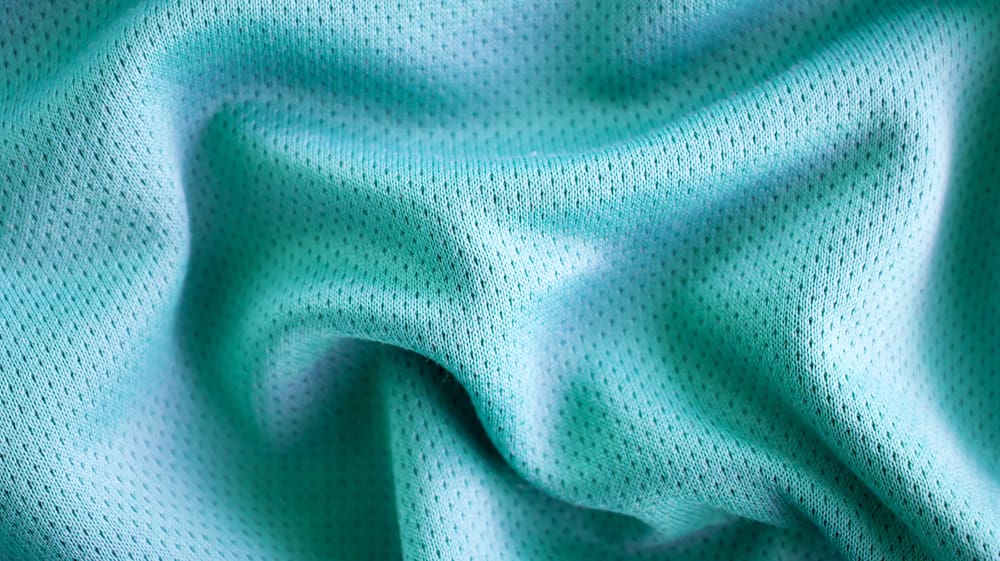
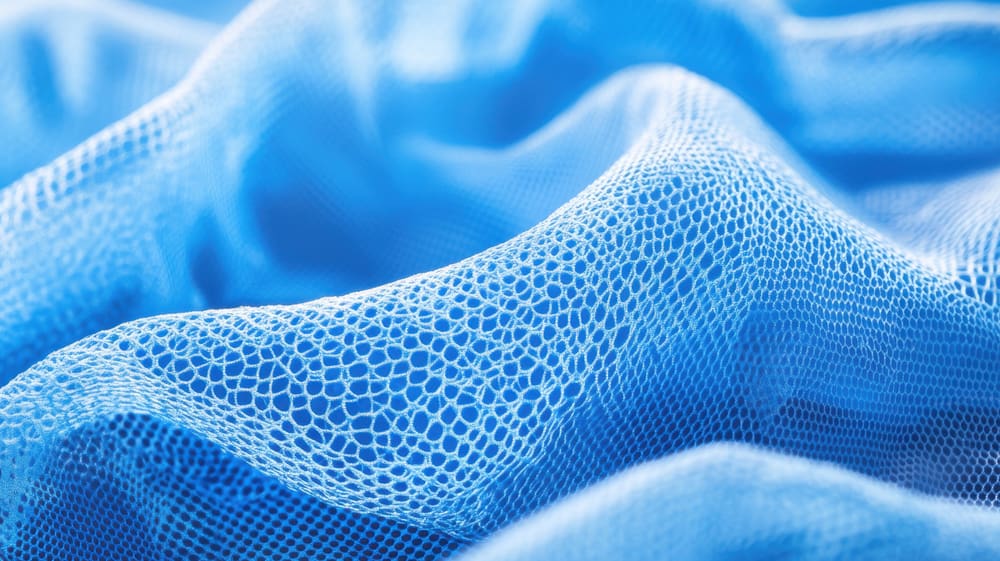
Specialty fabrics are designed for specific purposes that require functional properties beyond standard use. These fabrics may offer features such as heat resistance, high flexibility, or enhanced durability under certain conditions.
This category includes sports fabrics for breathability and movement, medical fabrics for healthcare environments, and industrial fabrics built for heavy-duty use. Selection depends on the required function and performance.
Also known as performance textiles, these are advanced engineered fabrics specifically designed for physical activities. They are characterized by their ability to wick sweat away from the body (moisture-wicking), provide breathability, and offer high elasticity (stretch), thus improving performance and comfort compared to ordinary fabrics.
These are fiber-based materials (woven, knitted, or non-woven) specifically designed for medical and healthcare applications. They are antibacterial, biocompatible, and breathable, and are used in surgical gowns, dressings, implants, and bed linens to prevent infection. They are also called “medical-technical textiles” or “healthcare textiles.”

These are specialized engineered textiles designed to resist fire, slow flame spread, and self-extinguish when the fire source is removed. These fabrics prevent fire spread, do not melt, withstand high temperatures, and are primarily used in protective clothing, home furnishings, curtains, and industrial applications.